

You make the hardware.
We provide the SaaS.

Connect the Linux device you already ship. Give your team fleet software to operate and support every unit in the field — and your customers a web Customer Portal for the product they bought.

Your teamPulse watches every device class.

Bring the product you already make.

Dataplicity starts with the Linux device inside it. You keep the hardware, software, data and brand that make the product yours.

Your connected product

  • Linux device
  • Your software
  • Readings and controls
  • Your brand and customers

What Dataplicity adds

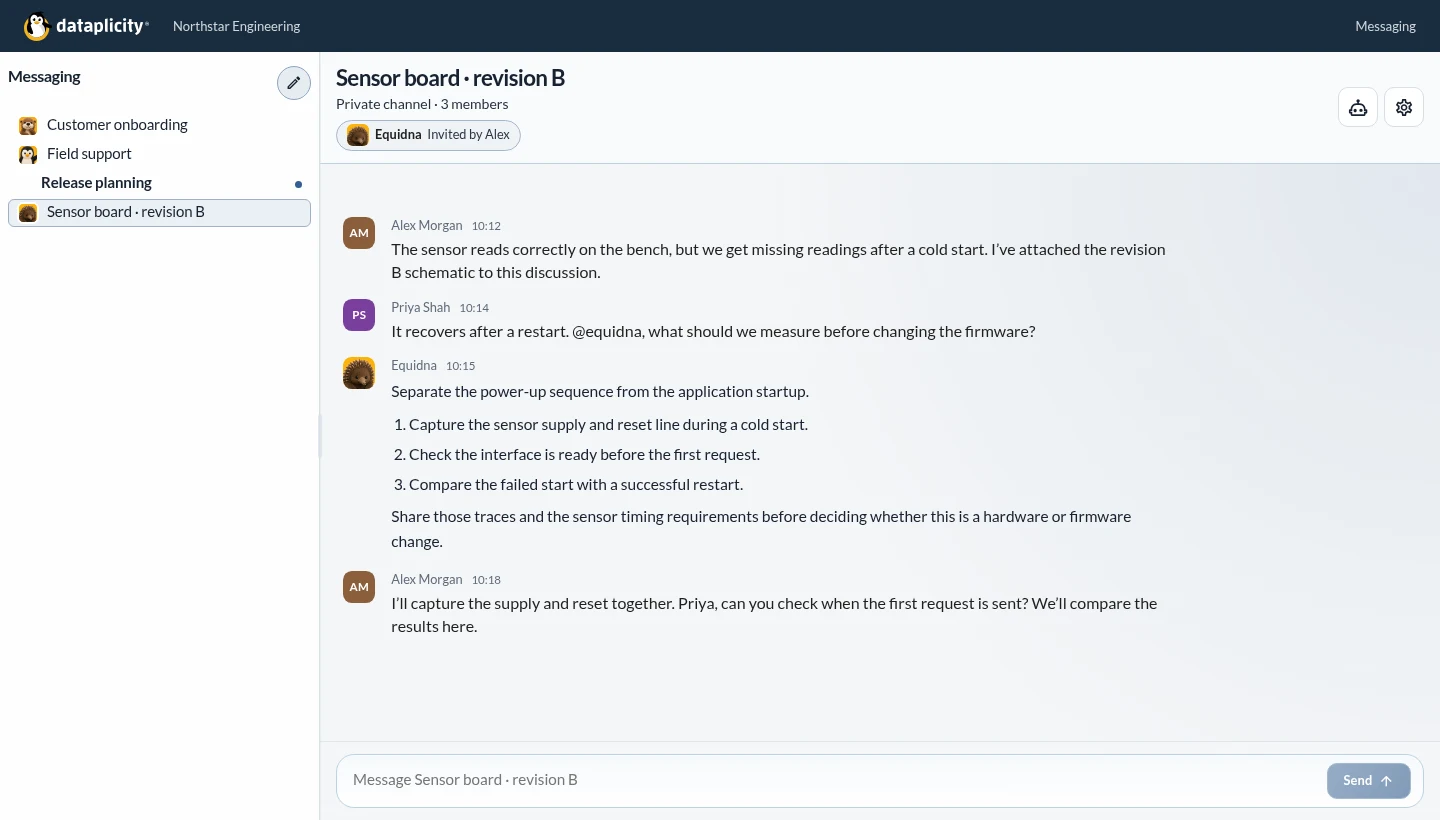
Fleet operations for your teamProvision, monitor, update and support every device remotely.
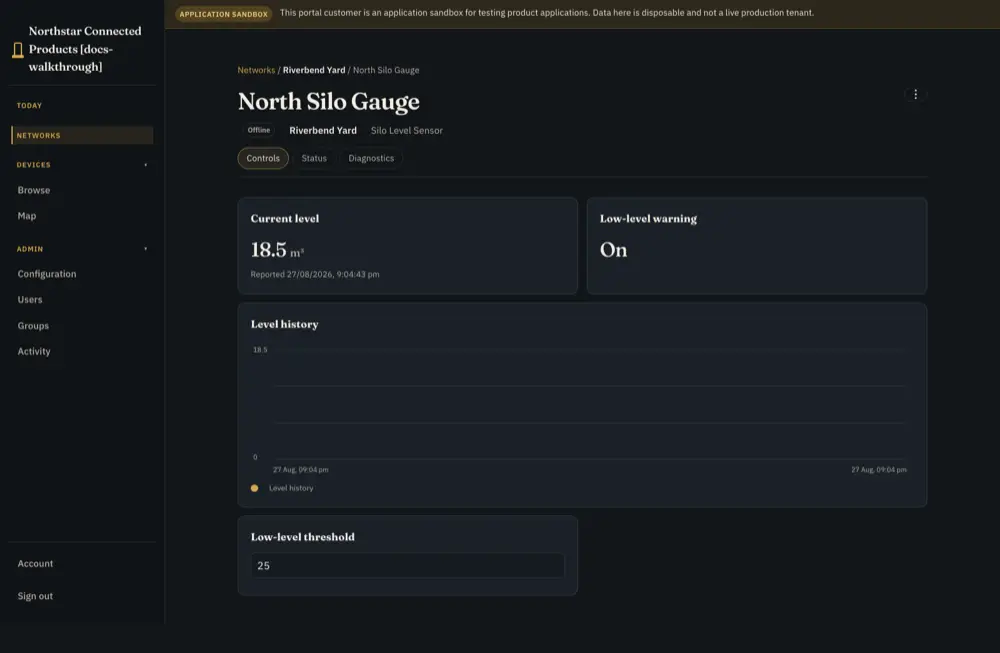
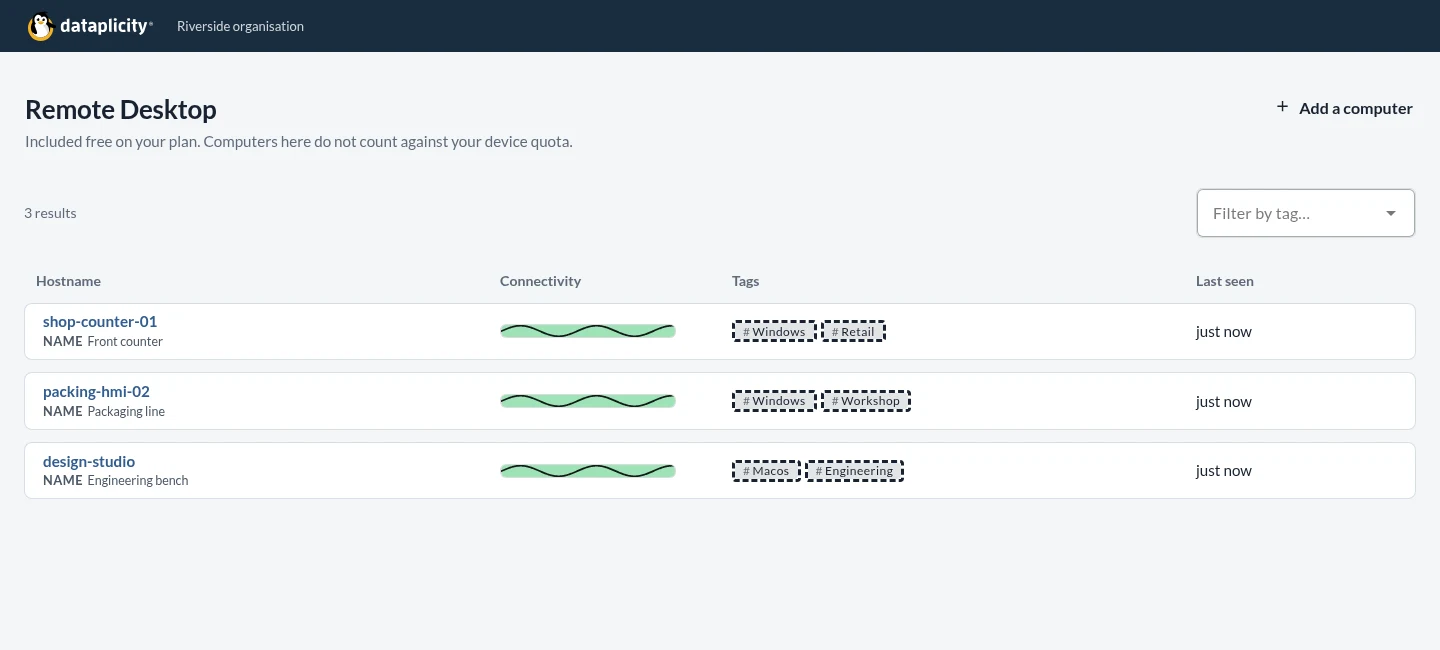
A product application for every customerTheir devices, data, people and controls in your brand.

See the fleet. Then get all the way into a device.

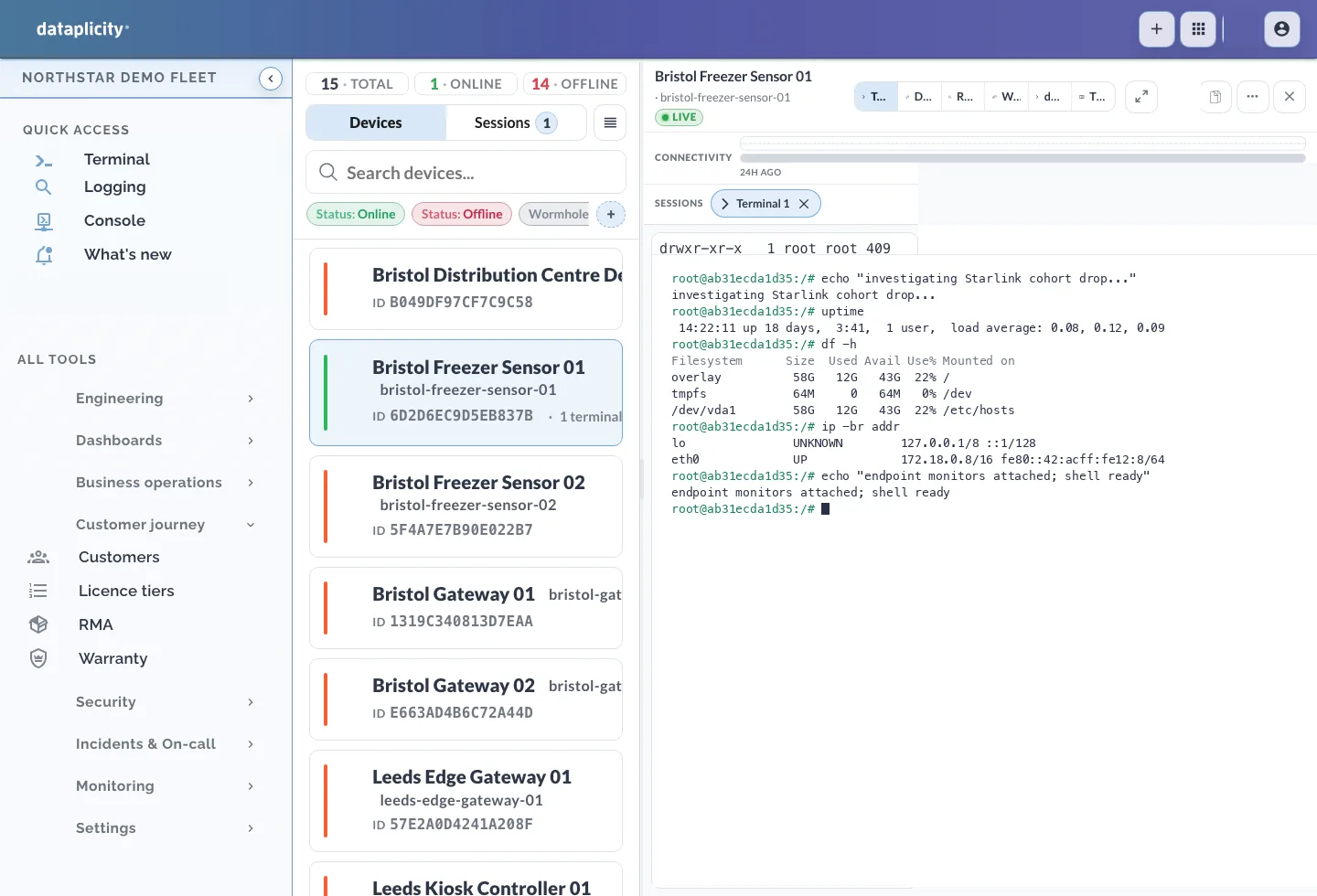
Open a live terminal from any device record, investigate the problem and make the fix. The same system handles the work around it, from fleet-wide jobs and monitoring to incidents, customers, warranties and returns.

Dataplicity showing a fleet device list, a selected device and its live Linux terminal in one workspace
Work on the deviceLive terminal, remote access, logs and diagnostics.
Work across the fleetMonitoring, releases and guarded jobs across groups.
Handle the incidentAlerts, on-call, ownership and a complete audit history.
Manage the installed baseCustomers, licences, warranty and RMA tied to the hardware.

Fleets diverge. You shouldn’t have to invent a gold image.

IoT devices are not homogeneous, and they never stay identical. Chasing a gold design is a mug’s game.

Pulse learns normal from the whole Device Class — with no prior knowledge, no coding, and no baseline from you — then flags the ones that stop looking like their peers.

No prior knowledgeTurn Pulse on. It fingerprints the class as devices run.
Peer-learned normalThe baseline is what the fleet actually looks like, not a manifesto.
Divergence, flaggedWhen units stop matching their peers, you hear about it first.

Know when the fleet crosses the line.

Set thresholds on impaired devices — offline, unreachable, or failing checks. When enough of the fleet is affected, Dataplicity opens an incident, pages on-call, and escalates until someone owns it.

Fleet-wide thresholdsAlert when a share of devices goes offline, stops checking in, or fails monitored signals — not one device at a time.
Wake the right peopleOn-call schedules, push to mobile apps, and escalation if nobody acknowledges in time.
Owned through resolutionIncidents carry device context, notes, and audit history so the next engineer picks up where you left off.

The job starts when the hardware ships.

Customers need accounts. Devices need managing. Your product needs software around it. Dataplicity provides the fleet operations and customer application that make it work.

Start with the device on your desk.

Keep your hardwareNo Dataplicity board or replacement Linux distribution.

Install one agentOutbound only, so it works behind NAT, LTE and customer firewalls.

Prove it before rolloutConnect one device, reach it remotely and build from there.

Not ready to install the agent? Try Device Check — free, no account

Connect your first device.

Enter your email to get the install command. Run it on your Linux device and watch it appear in Dataplicity.